
Reading: still a thing, no matter what the haters say!
A To Be Read (TBR) list interspersed with recommendations from friends, podcasts, and other places is proving to be my ideal 2026 reading recipe for success.
I’m not reading at the same pace as last year, but rather at a more deliberate velocity with a focus on backlist. In 2025, I was more about new releases, and this year I don’t care so much about fresh titles. Rather, I’m all about fresh (to me) reading, even if published decades or centuries ago.
In March I read seven books, all winners! Just over half were over 300 pages, and just under that slimmer fiction novels. Read on for the rundown.
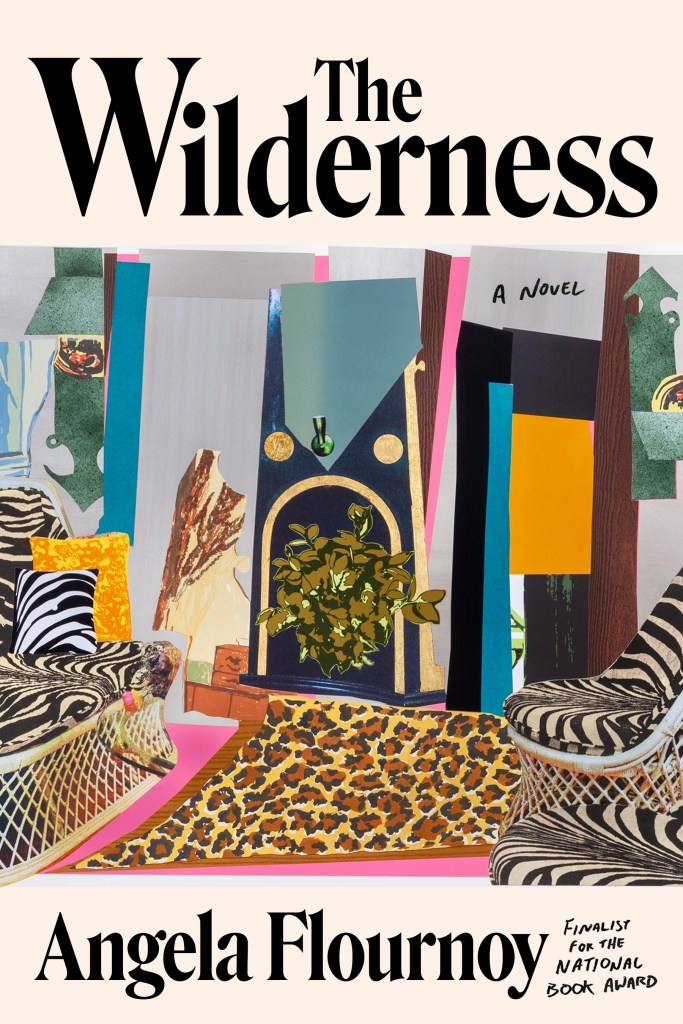
The Wilderness by Angela Flournoy
The Wilderness is a story of a core group of 4 Black women’s lives told backward and forward in time and taking place between New York and Los Angeles area. I wasn’t sure what to expect with this book, but Flournoy grabbed me from the start with Nolan and Desiree’s trip to France against the backdrop of assisted suicide. Hooked!
I found Desiree, Nakia, and January well-drawn – Monique less so – and I felt so with them as they navigated their relationships and lives. The way the The Wilderness explores sibling estrangement over time touched my heart, this felt so real, especially after so many myths fed to us about family always forgiving and reconciling. Reality is more complicated and undone.
The Wilderness also explores power and climate change anxiety, with a big nod to Octavia Butler in one of the subplots. The ending to this book jarred me. Although in retrospect I see how it was tee’d up, I felt the later part of the book shifted starkly from internal focus on the characters and their relationship to each other as they navigate life to the outer world pressing in on them. Despite that, The Wilderness is creative and real – succinctly managing complicated topics through the characters and their lifelong interconnectedness – and I thoroughly enjoyed reading it.
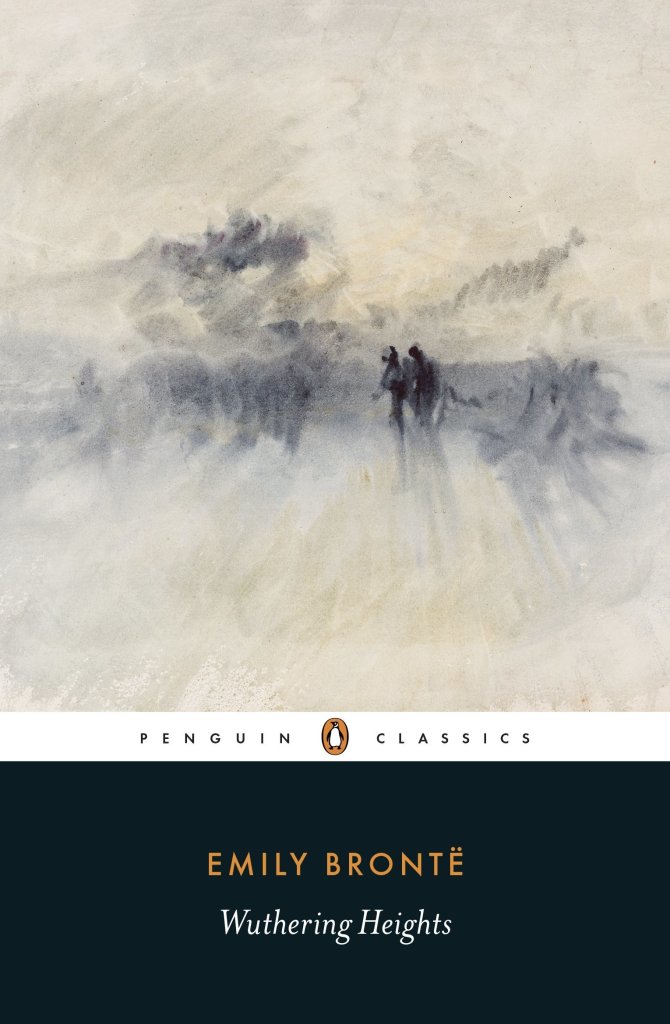
Wuthering Heights by Emily Brönte
My timing for picking up Wuthering Heights was perfect, as March 20 on the moors features importantly in the story. A March book referencing March! And given the recent movie release, I had to read what all the fuss was about. Those are my only lighthearted thoughts about this story, as Wuthering Heights is a disturbingly propulsive tale told through two unreliable narrators that revels in emotional manipulation and abuse, and heaps on physical violence (that is quite specifically described, I might add).
This book asked me to consider what happens when people grow up without emotionally mature and healthy adults around them, without LOVE. Nobody lays out good boundaries for these kids. Instead, Wuthering Heights drudges us through the muck of adults acting in destructive ways on children until those adults die and the children re-enact the actions of their parents.
No one is able to love and care maturely and instead all seem to be living their lives either seized by their emotions or as if they are playing a game of chess with real people — the prize being money or crushing somebody’s spirit. Finally, Wuthering Heights really goes deep on what it is like to live your life as a long act of vengeance against those who wronged you as a child.
I listened to a Secret Life of Books podcast that said Emily Bronte introduced the frame narrator concept into the novel. Nelly Dean — our primary unreliable narrator — is her own kind of mess. I realized there were times where I initially accepted her view of the story and had to check myself because her relating of information betrays her own role in some of the dysfunction at Thrushcross Grange and Wuthering Heights.
For exapmle, Nelly Dean talks about how much she doesn’t like Heathcliff, even when she has no cause to do so and he is just a little boy who happened to find himself at Wuthering Heights one day. She exposes her envy of Catherine (and later, Cathy) through retellings of their interactions. The cruelty of Nelly Dean manifests in her bad guidance (or lack thereof) and at other times it reveals itself in her non-interventionist posture and refusal to defend her charges. This was quite clever and added to my enjoyment of the story. And believe me, I needed some moments of enjoyment!
Also side note: bogs and possible necrophilia!? Maybe a nicer way to see this particular aspect is as an example of Brönte trying to explore the space between the living and the dead? I’ll go with that thought for now.
Wuthering Heights drew me in and then I was trapped in the moors with Heathcliff and company as I wondered when the madness and cruelty would end or even hit the pause button. Well, 400 pages later I have my answer.
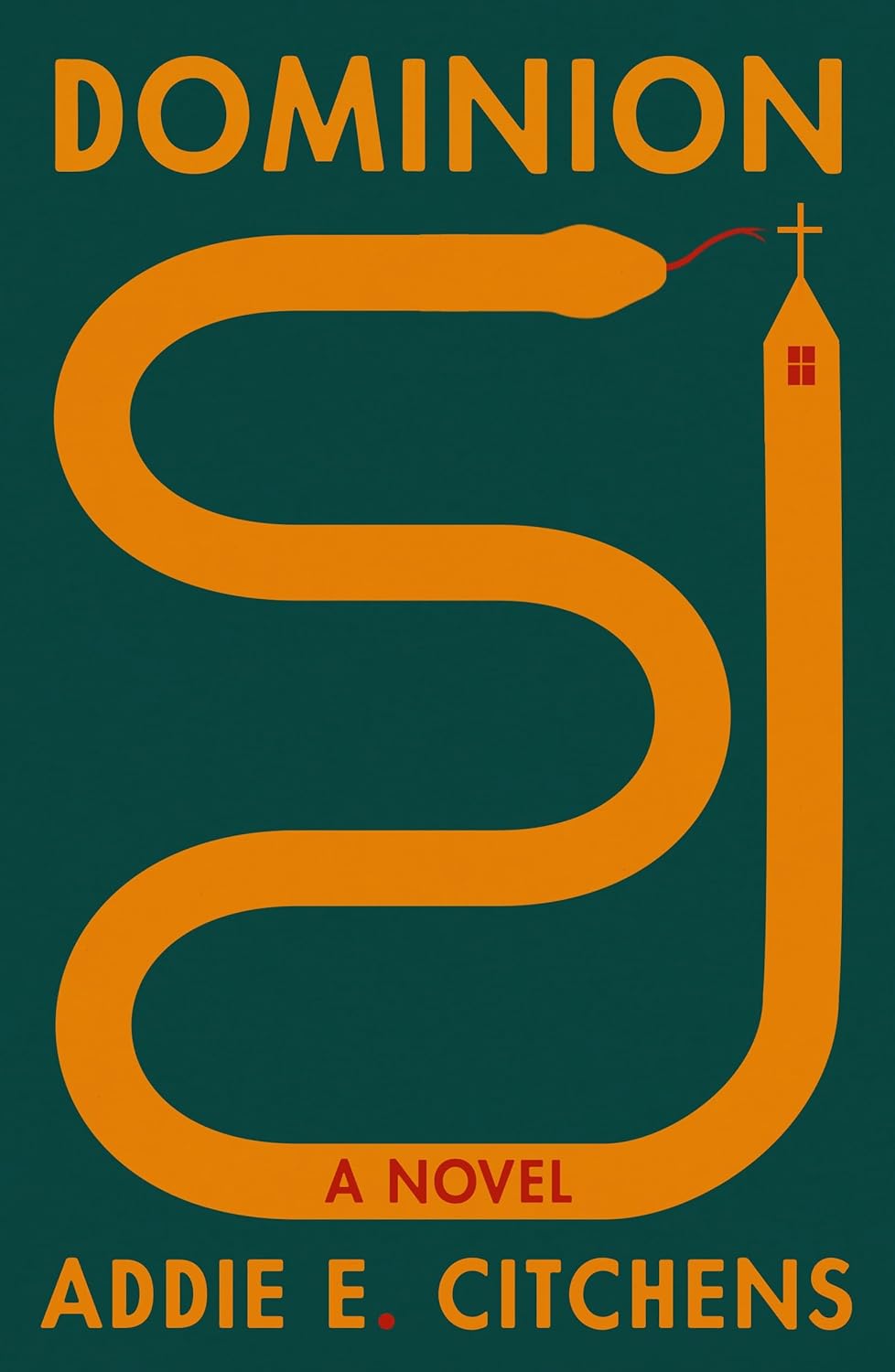
Dominion by Addie E. Citchens
A story of community, violence, and family tragedy with rays of unexpected resilience throughout. Dominion is a snapshot of life in a small Mississippi town dominated by religion, where most people attend the local church led by Reverend Winfrey and everybody talks about and knows the business of everybody until they don’t, and we see how hard it is to buck the institutional forces that box us into place (especially women).
This story is told via a generational contrast of Sabre and Priscilla and Emanuel (aka Wonderboy) and Diamond and describes the ways that religion, toxic masculinity, and patriarchy have wreaked havoc on their lives and identities. In turn, we see the tendrils of all these snake through Dominion.
The juxtaposition of Diamond and Priscilla and their views of the world they inhabit are particularly well woven; I loved their narrative voices and Priscilla’s sharp sense of humor. This book is disturbing and depressing, but despite the heavy subject matter, Citchens brings compassion and humor to Dominion.
The ending of this book perplexed me. It was evident where all roads were leading, but the “how” came as a surprise. I also have unresolved horror about Wonderboy and his actions from start to finish.
At first, I thought the ending was showing that the weight of oppressive religion, toxic masculinity, and white patriarchy are a lit fuse destined to destroy, but I wasn’t sure. It is that, and after some thought I also believe this ending shows something more specific and next level about ostracism from community and who is allowed to punish without consequence. If you have any thoughts on this, please let me know!
In all, Dominion is a riveting listen/read. I also tracked down a great podcast with Citchens on the Mississippi Arts Hour. So good!
Finally, Dominion is one of my top audiobook reads ever! Angel Pean and Bahni Turpin are fabulous, as are Dion Graham (who I seem to be listening to a LOT recently) and Andre Giles. This book comes to life through these narrators, as well as with the way the book is produced on audio.
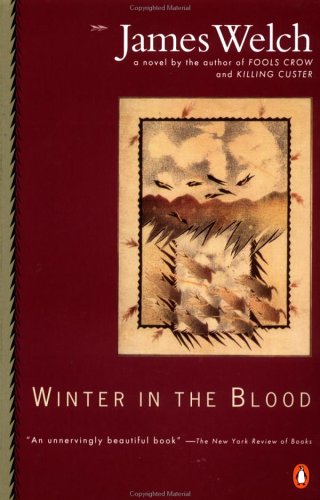
Winter in the Blood by James Welch
Winter in the Blood was published in 1974, but feels like it could have been written yesterday. Welch wastes no words telling this story through the voice of an unnamed narrator centered around a Native family in Montana. The writing is clear and often poetic. I spent the duration of Winter in the Blood rooting for our narrator even though he keeps taking us on a journey of many questionable choices and actions.
What I love so much about this book is the way it immerses us in the land with the characters (there is exquisite nature writing in this book!) and the ways that it captures the mind, thoughts, and feelings of our protagonist as we move with him from present to the past.
Welch artfully writes this flow, and I feel as though I am right there with narrator’s mind, no matter the moment. It’s so smoothly done, and made me think about my own mind and how my thoughts often connect and jump from present to past moments. How I would make this coherent to anyone, I have no idea, but Welch does it!
We are the product of our ancestors. We hold secrets, grief, wishes, regrets. We see the stars and keep going.
I read this book after listening to a the New York Times Book Review podcast interview with Louise Erdrich, where she recommended this story and spoke of Welch’s importance. Darrell Dennis reads the audiobook (he also narrates Morgan Talty’s books) and is just so good!
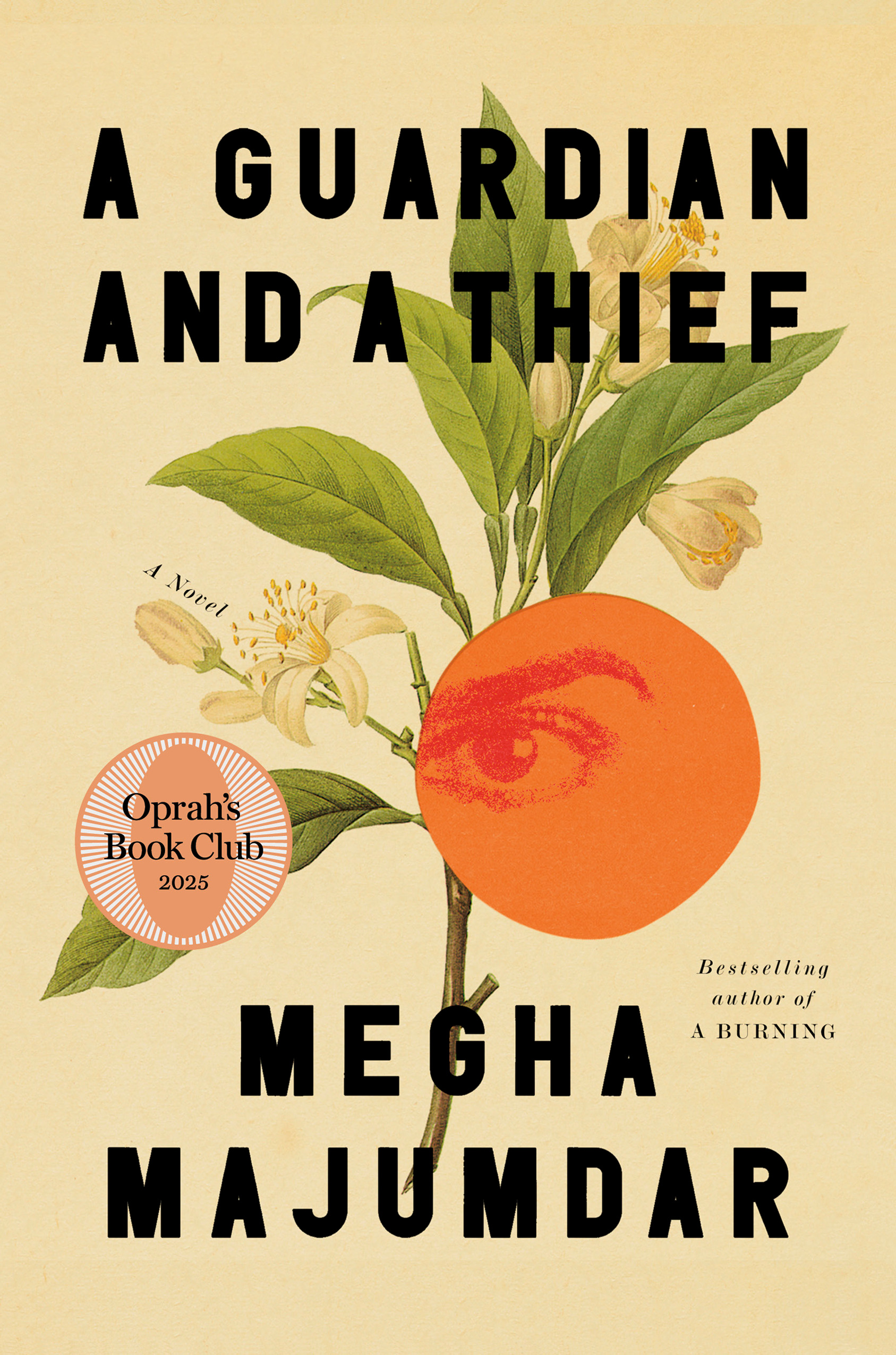
A Guardian and a Thief by Megha Majumdar
If you want a fast read that takes you through a Rube Goldberg ethical dilemma exercise, A Guardian and a Thief is for you. So happy I picked this one up after hearing about it on a Fiction Matters podcast!
This is a speculative climate fiction thriller that – unfortunately – doesn’t really feel all that speculative, and uses food as the way to imagine ourselves into this future, giving the book a sensory urgency. This book is like a kettle put on the stove to boil, its heat rises and rises and before we know it, the pot has boiled over.
A Guardian and a Thief is at its heights when the narration flows in and out from Ma to Boomba as we explore the dual identities of guardian and thief from multiple perspectives. The story plays out like a Rube Goldberg contraption that kicks off with the climate crisis and has no end. All actions have downstream effects and, as readers, we are alert and wait for them in the text. So clever.
The phone calls between the father/husband waiting in the U.S. and the mother also speak further to the book’s title, and the ways we protect others from our devastating truths by what we choose not to share.
As we quickly see, Majumdar’s characters are both guardians and thieves and we read and wonder, what else could they do? What would we do? What would we do if our home that we loved became an unsustainable place to live?
ABC Radio National’s Claire Nichols interviewed Megha Majumdar on the Book Show podcast and talked about A Guardian and a Thief here, it’s worth a listen!
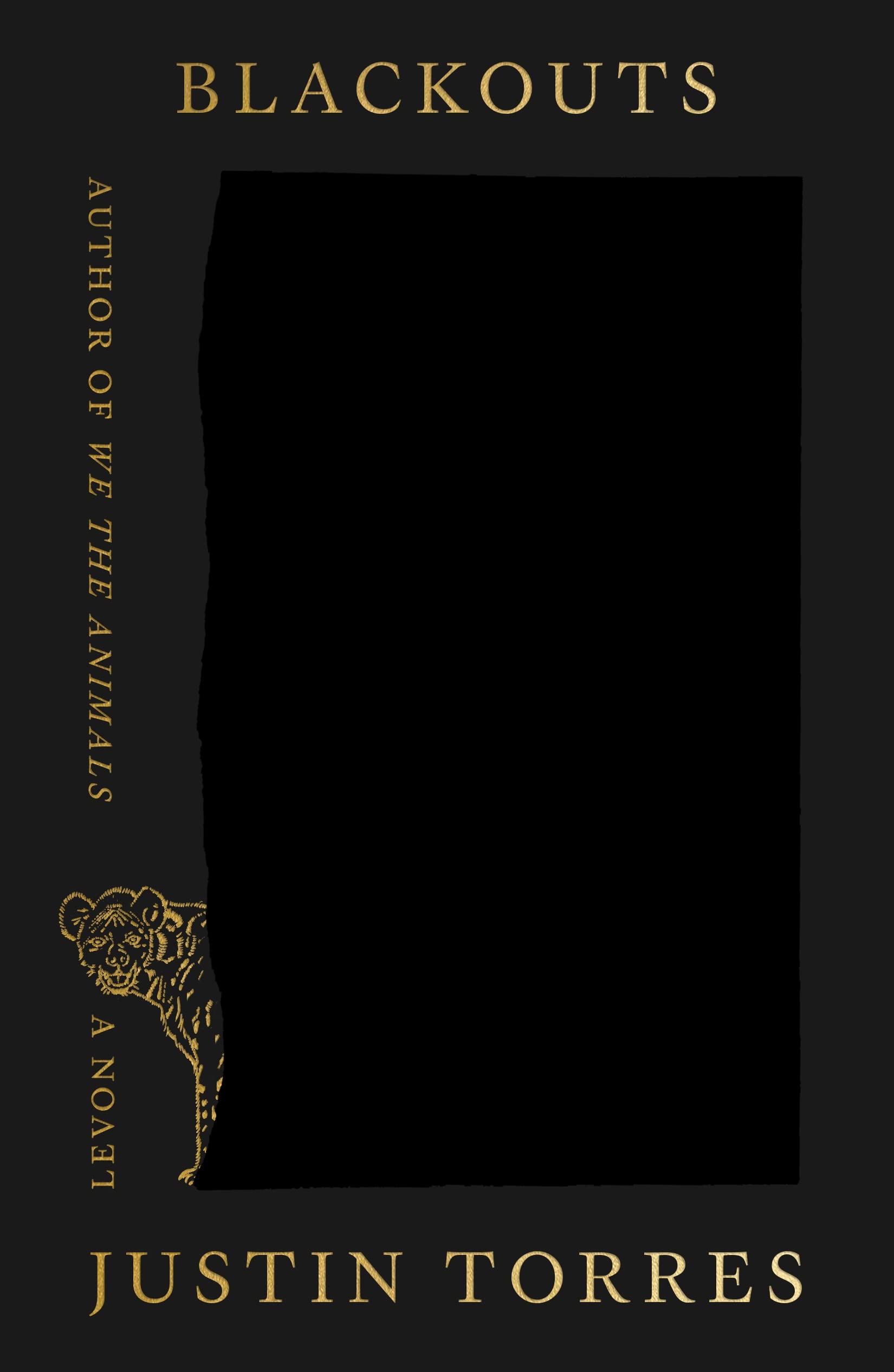
Blackouts by Justin Torres
A layered story about queer history, erasure, and lives told through a dialogue between two friends – one at the end of his life, one a relatively young man. Juan (the older of the two) happens to have the archives of Jan Gay’s research of the queer community in the late 1930s and ultimately became the maligned final product Sex Variants.
Blackouts is subversive and clever — at times it’s hard to keep pace with in its cleverness– but the way that Justin Torres reclaims Jan Gay’s work is marvelous. We learn about Gay’s research through queer eyes, we imagine Jan and Zhenya Gay.
We see Torres visibly reclaim Sex Variants in blackout verse. We go on a sometimes real, sometimes dreamlike journey with Juan and Nene as they sort through queer identities and their own pasts. Some of the photos and other visuals in the book confused me and I wasn’t totally clear on their application to the book, but as I reflect I see how they help capture a period in time and give Blackouts a scrapbook quality.
As I read, I could see Torres in conversation with Manuel Puig’s El Beso de la Mujer Araña, a story that blew me away when I first read it as a young college student. I was so taken by Puig’s creation of a story all in dialogue and its intimacy. Blackouts is much different, yet still felt like an eerie sequel (in a good way) at times.
Torres took me out of my comfort zone throughout Blackouts and it was not always an easy read for me, but I like that Torres never spoonfeeds the reader. Blackouts tells an important and now well-known history in an extremely inventive way while also telling a story of two men and their (sometimes erotic) friendship – it’s unlike anything I’ve ever read while still feeling in close conversation with writers like Puig.
Recommended for anyone who has read and loved Manuel Puig, wants a book that takes on form in a unique way, and for people interested in a read about queer intimacy and identity, a little-known social history (Jan Gay’s work), and erasure.
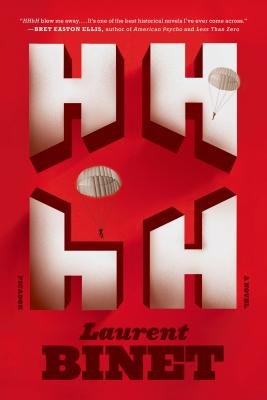
HHhH by Laurent Binet
I learned of this book during a BBC World Book Club podcast interview with the Laurent Binet. This is a fun podcast that features a wide variety of authors where readers call in to writers with their questions.
HHhH was an exciting reading experience, once I figured out that it is not a straight-ahead nonfiction recounting of World War 2’s Operation Anthropoid. Rather, Binet tells the story of his research, the unearthing of the past, and the stops and starts of writing about this point in time in our history. In Binet’s words he is writing an infranovel. By doing this, these figures from history feel current, like they live beside us.
Binet nods to other writers who have written about this time, appreciates and quotes them. We live in Binet’s brain as he develops love and admiration for the heroes of the story he is telling. We feel Binet wrestle with where to begin, and how to start and end his story. In this book, I am alive in a contemporary way to the Nazis’ horror and destruction and Binet’s way of retelling shows how something we may imagine to be unthinkable can occur.
I was initially intrigued by HHhH’s title, but once it got going, I felt it didn’t fully capture the work (although I like this cover!). Binet himself writes in HHhH that he wants the book to be called Operation Anthropoid and if it changes, it is because his publishers wanted it so. Binet was interviewed on the BBC’s World Book Club and said that the up side of HHhH’s title is that it does not change when translated to many other languages. So okay, that’s kind of cool and the title is memorable, but still feels out of concert with the book.
My other quibble with this book is form-related. It is 257 chapters, all numbered! I like that HHhH is broken up– I’m all for the breaks– but 257 chapters!? Silly.
Title and chapters aside, HHhH helped me connect past and present, and surrounded me with some spectacularly brave and patriotic ghosts of the past (to quote Binet). Binet takes great care with this “army of shadows” who live again in his story.
How has your reading year been going? Have you read any of these? I always love getting people’s thoughts, opinions, and recommendations, and I hope everyone is well!


 Chasing MailBoxes
Comments welcome. Keep it civil, por favor!